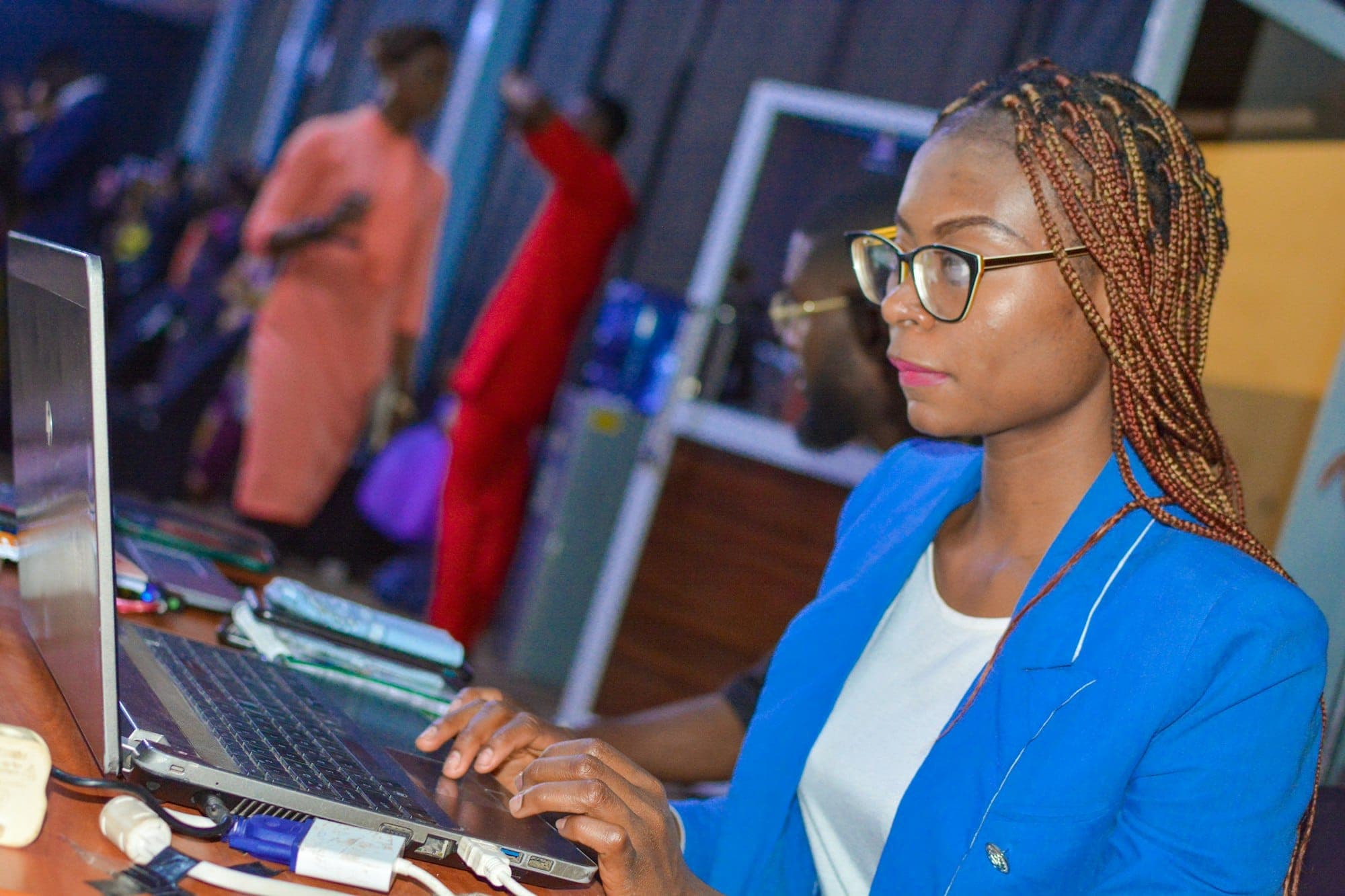
Talent is everywhere. Opportunity isn't. The gap between where skilled people live and where the work that needs them sits is closing, and African professionals are a large part of why. For global businesses, that changes where good hires come from. For professionals, it changes what a career can look like without leaving home.
This is Remoteli's view of what is driving the shift, what still stands in the way, and what employers who get it right tend to do differently.
For most of the last century, a professional's career was shaped by where they lived. The best-paid roles, the most interesting clients and the fastest learning sat in a handful of cities, and reaching them usually meant moving. Remote work broke part of that link. Skills can now travel without the person having to. That matters most to employers who cannot find the people they need at home, a problem we look at in global labour shortages.
Remote work alone didn't spread opportunity evenly, though. Hiring still runs on networks, referrals and familiarity, and those favour people who are already visible to employers. A capable accountant in Accra or a data analyst in Nairobi can be every bit as good as their counterpart in London and still never appear on a shortlist.
The same blind spot shows up at the level of countries. Ghana, Nigeria, Kenya, Rwanda, South Africa, Egypt, Senegal and Côte d'Ivoire each have their own languages, business cultures and areas of depth. An employer who thinks only of “Africa” misses that. An employer who thinks in markets can match a French-speaking customer role to Côte d'Ivoire, an Arabic-speaking one to Egypt and a senior commercial role to South Africa.
None of this is a skills problem. It is a problem of reach, and reach can be fixed.
Access, Visibility and Connection
In our experience, three things have been missing. Each one is practical, and each one can be solved.
Access
Access means a route in. Many professionals are ready for international work but have no practical way to reach the employers who need them, and employers have no simple way to handle contracts and payments across borders. Remoteli exists partly to remove that friction: we engage the professionals as contractors and manage recruitment, matching, onboarding and ongoing operational support.
Visibility
Visibility means being seen for what you can do. Our Talent Network now includes more than 40,000 professionals, and our Work Ready assessment asks members to demonstrate their equipment, workspace, connectivity and availability. That gives employers confidence before the first conversation, and gives professionals a fair way to show they are ready.
Connection
Connection means the right match. A good hire depends on role, experience, language and working hours lining up, not on geography alone. Matching those properly is what turns a large pool of talent into a dependable hire, and it is why we recommend a specific talent market for each role rather than treating Africa as one place.
The numbers are significant. According to the UN Economic Commission for Africa, Africa's working-age population (people aged 20 to 64) is projected to grow from 883 million in 2024 to 1.6 billion by 2050, almost 25% of the world's working-age population. Analysis by Pew, based on UN data, finds that 28% of all people under 25 already live in Africa.
Pew also notes that Africa's median age is about 19, so a large share of Africa's population is at or near the start of working life. For employers, that is a reason to see Junior and Mid roles as a genuine way to build capability over time, with professionals who grow into larger responsibilities, rather than as a budget decision.
Population on its own doesn't make a hire. What matters to an employer is whether a specific person can do a specific job well, in the right language, during the right hours. The demographic trend explains why the pool is growing. Skills, experience and good matching explain why businesses keep hiring from it. We look at the data in more depth in what global employers should know about Africa's growing workforce.
The businesses that hire well in Africa tend to share a few habits.
- They hire for the role first, then choose the market that fits the language and hours they need.
- They treat African professionals as experienced colleagues, with real responsibility and honest feedback.
- They invest in onboarding and context rather than expecting someone to absorb it.
- They think in terms of a team that grows, not a one-off saving.
That last habit matters. Cost can be part of the conversation, but businesses that frame international hiring purely as a saving tend to hire for the wrong reasons and get the wrong results. The stronger case is access to skilled people the business couldn't otherwise reach, in a way it can scale. We make that argument at more length in hire for capability, not location. Our guide to hiring talent in Africa covers the practical side, from choosing a market to the first weeks of onboarding.
For professionals, the shift means a career that can grow without relocating: international clients, new skills and full-time work from home. It also raises the bar. International employers expect dependable connectivity, a professional workspace, clear communication and ownership of outcomes.
That is why Work Ready exists, and why we think readiness is something to demonstrate rather than claim. The professionals who do best in international roles are rarely the ones with the longest CVs. They are the ones who communicate clearly, ask good questions and take responsibility for their work.
Remoteli's mission is to create one million employment opportunities across Africa. We are not there yet, and we say so plainly. But the mission shapes how we work: every team we help a business build is also a set of real jobs for skilled people who were ready for them. You can read the thinking behind it in one million opportunities: why Remoteli exists, and find out more about who we are on our About page and our Impact page.
We believe the employers who see African talent clearly, as skilled professionals in distinct markets, will build better teams. The talent was always there. What's changing is that more businesses can now reach it.