

Future of Work
Why African Talent Is Reshaping Global Hiring
Talent is everywhere; opportunity isn't. Remoteli's view on how access, visibility and connection are changing where global businesses find skilled professionals.
Remoteli6 min read
Future of Work
Location was always a proxy for things employers actually care about. Most of those things can now be tested directly. An essay on hiring on evidence rather than postcode.
Remoteli
9 October 20265 min read

Most job adverts still start with a place. A city, a commuting radius, sometimes a postcode. For a role that genuinely needs someone on site, that is sensible. For a growing share of roles it is a habit, and an expensive one, because it filters candidates on the one attribute that says least about whether they can do the job.
Our argument is simple. Location was always a proxy. It stood in for things employers actually care about. Those things can now mostly be assessed directly, and businesses that do so get a wider choice and better hires.
When an employer insists on a location, they are rarely interested in the location itself. They are usually reaching for one of three things.
Each of these is reasonable. None of them is guaranteed by geography. Plenty of people in the same city as their employer work hours that barely overlap, and being in an office has never been proof of good work. Location was a convenient approximation in a world where checking the real thing was hard.
The way office-based teams work has already changed. The ONS reported that more than a quarter of working adults in Great Britain (28%) (opens in a new tab) were hybrid working in autumn 2024. For those teams, much of the work already happens through written updates, shared documents and video calls, whether or not colleagues share a city.
Once work runs through those channels, the question "where is this person?" matters much less than "how do they communicate in writing, how reliable are they, and how good is their work?" And those are questions you can answer with evidence.
Capability-first hiring is not a slogan. It changes how a role is defined and how candidates are assessed.
That last point is why Remoteli built Work Ready, which asks professionals in the Talent Network about their equipment, workspace, connectivity and availability. It brings some of the old worries behind location into the open, where they can be discussed and assessed.
It would be naive to say location is irrelevant. It still decides some things, and pretending otherwise leads to bad hires.
The difference is precision. "Must overlap with UK hours and speak business-level French" is a requirement. "Must live within commuting distance of our office" is usually a proxy for something else. When we recommend a talent market at Remoteli, it is based on role, language, working zone and experience: location in its honest form, reflecting what the work actually needs.
For an individual employer, capability-first hiring is mainly practical: a wider pool, better evidence and fewer hires made on familiarity. Added up across many employers, it has a larger effect. It changes who gets considered at all.
Remoteli exists because we think that change is overdue. Our mission is to create one million employment opportunities across Africa, and it depends on employers judging people by what they can do. We have written elsewhere about why African talent is reshaping global hiring and about the access gap that still stands in the way. This essay makes a narrower point: for employers, judging capability directly is simply the better way to hire.
The test is easy to run. Take the next role you plan to advertise. Strike out the location line, write down what it was standing in for, and turn each of those into a requirement you can assess. If anything is left that genuinely needs a postcode, keep it. Most of the time, very little is. When you are ready to see what that role could look like, the Solution Builder starts from the work, not the map.
Future of Work
Talent is everywhere; opportunity isn't. Remoteli's view on how access, visibility and connection are changing where global businesses find skilled professionals.
Remoteli6 min read
Business & Growth
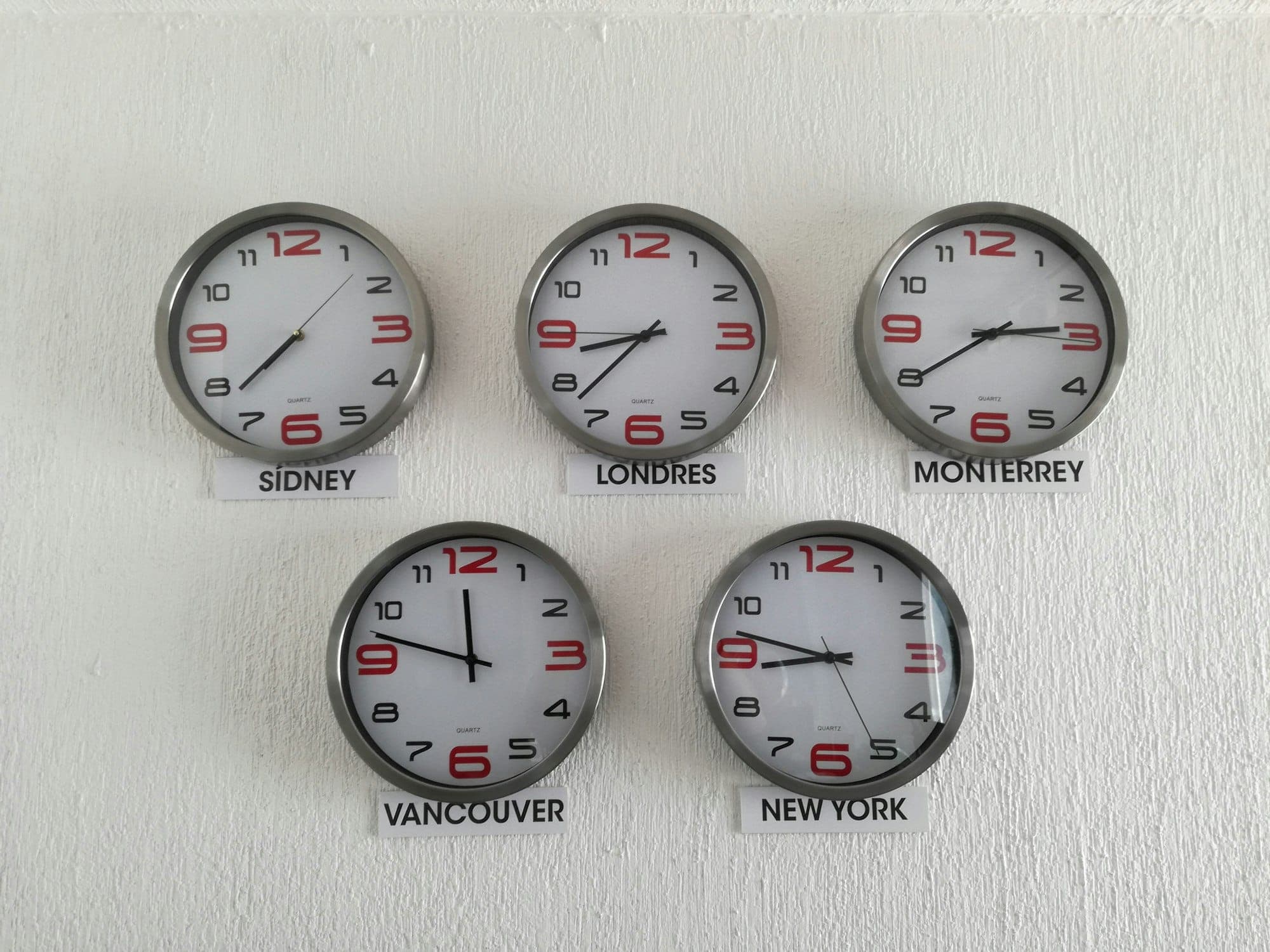
How to plan working hours and time-zone overlap when your remote team serves the UK and Europe, North America or Asia-Pacific, using the clocks of eight African talent markets.
Remoteli6 min read

Future of Work
Ageing populations are turning a shortage of jobs into a shortage of workers. What the evidence says, what distributed hiring can genuinely help with, and where it cannot.
Remoteli5 min read
Read how Remoteli connects businesses with capable professionals across eight African markets.