How to Build a Professional Profile That Gets Noticed
A strong profile shows what you can do, not just where you have been. Practical ways to make your professional profile clear, credible and ready for international opportunities.
Lead with outcomes and the work you can do, not a list of job titles.
Be specific about tools, languages and the kinds of teams you have worked with.
Accurate preferences and availability lead to better-matched opportunities.
Becoming Work Ready and keeping your profile current help you stay visible.
A professional profile gets noticed when someone reading it can quickly see what you do well, how you work and what kind of role you want next. That means specific examples instead of general claims, honest preferences and details kept up to date.
This guide shows how to build that kind of profile in the Remoteli Talent Network, where your profile is your introduction to businesses looking for talent. The same principles apply to any professional profile you keep.
Think of Your Profile as More Than a CV
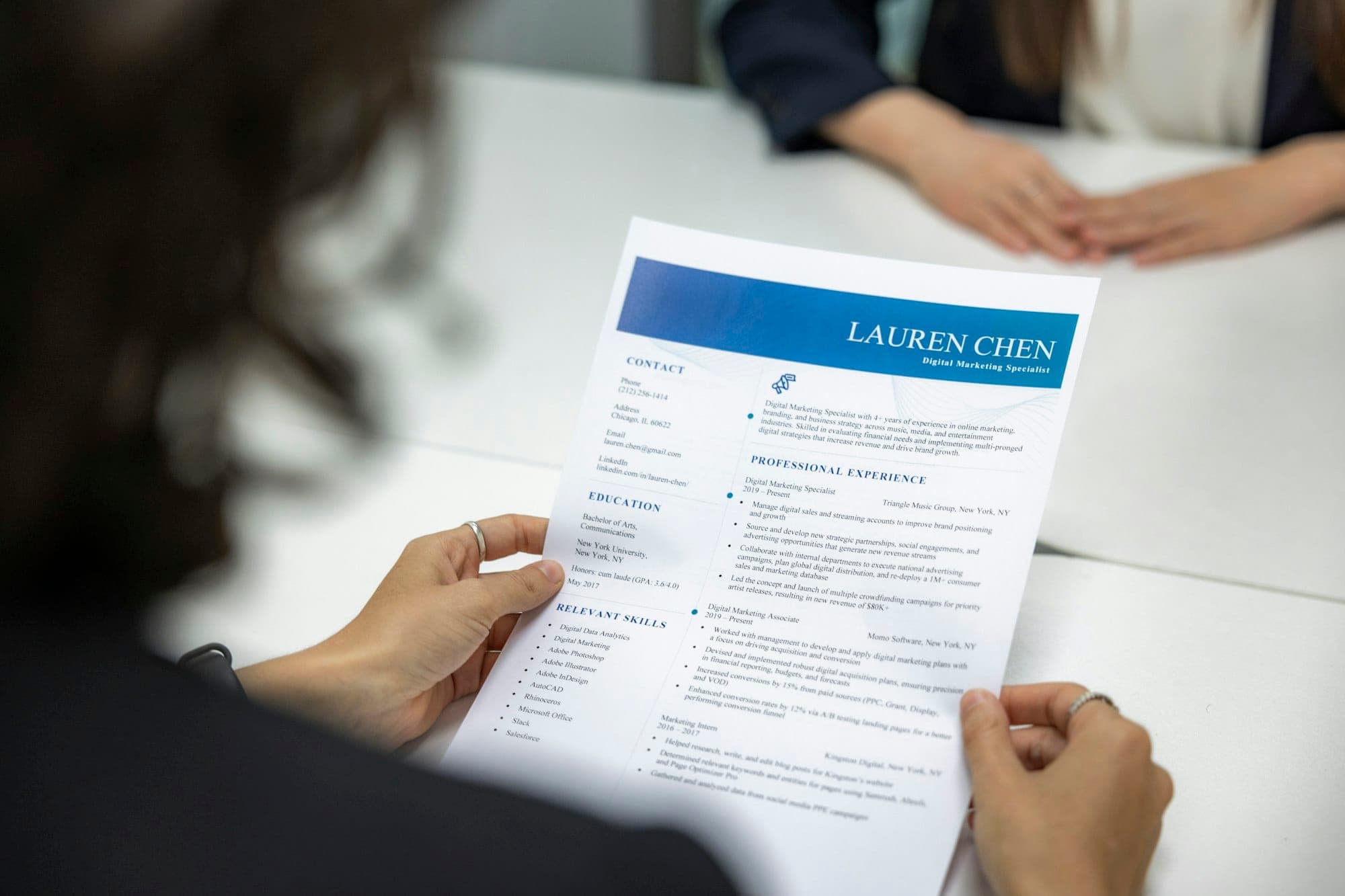
A CV is a record. A profile is an introduction that keeps working when you are not actively applying. Your Remoteli profile lets you show your experience beyond a CV. You can update it at any time and stay in control of what you share.
That changes how you should write it. Instead of compressing everything into a document for one vacancy, describe your skills, experience, languages and ambitions in a way that stays true across many possible roles.
Describe Your Experience Through Outcomes
Job titles vary from company to company. What a reader really wants to know is what you were responsible for and what changed because of your work.
Compare two descriptions of the same customer support role. “Handled customer queries” tells the reader very little. “Resolved email and live-chat queries for a subscription software company, wrote help-centre articles that reduced repeat questions, and trained two new team members” tells them the channels, the context and that you took initiative.
Use numbers only when you know them to be accurate. A real, modest figure is more persuasive than an impressive one you cannot explain in an interview.
Write your summary last. Once you have described your roles clearly, the two or three sentences that introduce you usually become obvious: what you do, the kind of teams you have done it for and the role you want next.
Be Specific About Skills, Tools and Languages
International teams usually work in shared tools, so naming the ones you use confidently helps a business picture you on their team. List the software, platforms and methods you have actually used at work, and be honest about the difference between daily use and familiarity.
Languages deserve the same care. Remoteli works with businesses that need professionals in English, French and Arabic. If you work professionally in more than one language, say so, and be clear about whether that includes speaking with customers, writing formal documents or both.
A quick profile review
Does your summary say what you do and the kind of role you want next?
Does each role describe responsibilities and results, not just a title?
Are your tools and skills ones you could discuss confidently in an interview?
Are your languages listed with how you use them at work?
Are your career preferences accurate today?
Set Preferences That Reflect Reality
Your profile lets you tell Remoteli how you want to work, from location and language to availability and ambitions. It is tempting to say yes to everything, but accurate preferences lead to better-matched opportunities.
Remote roles with international businesses can follow different working hours depending on where the team is. If you can work hours aligned with the UK and Europe but not North America, say so. Realistic availability is a strength, not a weakness.
Show You Are Ready to Work Remotely
Skills answer whether you can do the job. Readiness answers whether you can do it reliably from your own location. Being Work Ready shows businesses you have the equipment, workspace and availability to start delivering from day one.
The Work Ready assessment is available now in the Talent Network. You complete it by telling Remoteli about your equipment, workspace, connectivity and availability, and you can earn a trusted status that shows businesses you are ready to start working remotely. Our guide on what it means to be Work Ready explains how to prepare.
Keep It Current
A profile that was accurate a year ago may now undersell you. New skills, new responsibilities and changes to your set-up or availability are all worth adding. Keeping your profile current makes it easier for the right opportunities to find you, and means you are not starting from scratch when one does.
If you have not joined yet, you can create your profile through the Remoteli Talent Network, which has more than 40,000 professionals. In a network that size, a clear, specific profile is what helps a business see why you fit.
A practical guide for professionals across Africa who want to work with international companies: what businesses look for, how to prepare and how to build a career that lasts.
Being Work Ready shows businesses you have the equipment, workspace, connectivity and availability to start delivering from day one. Here is what it involves.
Remote interviews test your preparation, communication and set-up as much as your experience. Here is how to prepare for an interview with an international company.
Remoteli·5 min read
Build your profile
Join the Remoteli Talent Network and create a profile that shows your experience beyond a CV.